
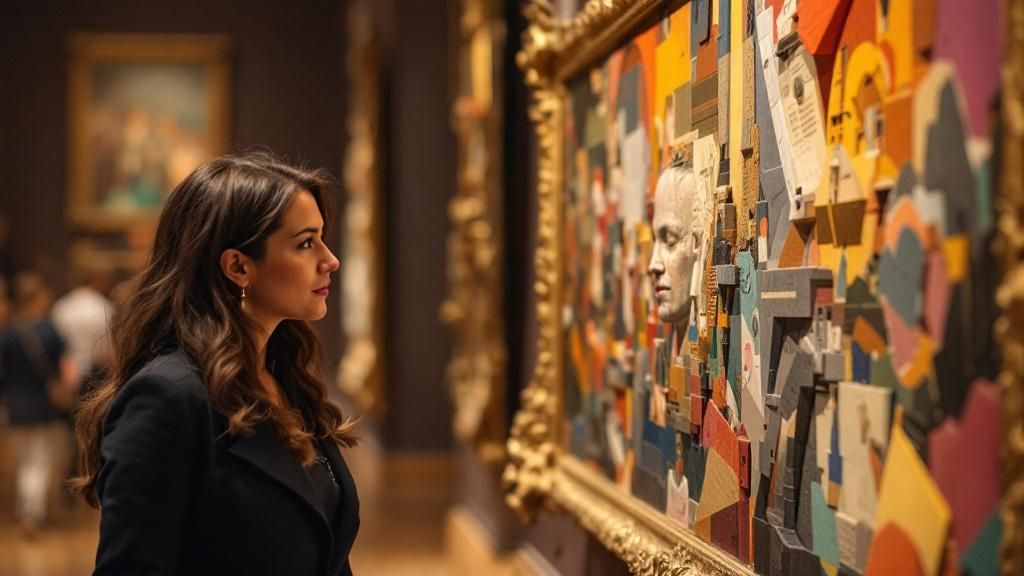
The British Museum has revealed an ambitious new project to protect modern creative works for coming generations. In a major dedication to contemporary art preservation, the organisation has confirmed substantial funding for cutting-edge preservation initiatives created to tackle the distinctive difficulties presented by current creative materials and processes. This strategic investment highlights the museum’s recognition that modern artworks require expert attention and skill, ensuring that modern creative output remain intact and available for the foreseeable future.
Expanding Conservation Expertise
The British Museum’s commitment constitutes a significant step in developing premier curatorial capacity carefully adapted to current creative practices. By establishing dedicated research centres and bringing in principal authorities in modern materials science, the institution seeks to build a extensive information repository tackling the distinctive conservation demands posed by contemporary works. This expansion will enable conservators to utilise cutting-edge techniques whilst upholding rigorous ethical standards, ensuring that groundbreaking artistic approaches are preserved with the equivalent thorough consideration traditionally afforded to heritage objects and antiquities.
Central to this project is the recruitment of highly experienced conservators with knowledge in emerging artistic forms and innovative materials. The museum recognises that modern creators often engage with plastics, synthetic compounds, digital components, and mixed media that pose unprecedented conservation dilemmas. By assembling a cross-disciplinary group of specialists, the British Museum will position itself a prominent expert in contemporary art preservation, drawing talented professionals from across the globe and developing collaborative alliances with other prestigious institutions committed to protecting modern cultural heritage.
Furthermore, the programme encompasses extensive training programmes designed to cultivate the next generation of conservation experts. Through work-based learning, internship placements, and higher education partnerships with universities, the British Museum will confirm that contemporary art conservation expertise stays current and progressive. This investment in career progression guarantees that future conservators acquire the specialist expertise required to tackle emerging preservation challenges, ultimately strengthening the institution’s capacity to protect and maintain contemporary artworks for the foreseeable future.
Strategic Initiatives and Budget Distribution
The British Museum’s financial support demonstrates a revolutionary framework to contemporary art conservation, with allocated resources channelled into developing cutting-edge facilities and appointing skilled professionals. This deliberate funding commitment emphasises research into advanced conservation techniques, addressing the unique difficulties posed by contemporary substances such as digital media, artificial polymers, and combined-media pieces. The funding structure guarantees sustainable, long-term development of conservation capabilities whilst maintaining the museum’s focus on audience participation and educational programmes.
Partnership Growth
Strategic partnerships form the bedrock of the British Museum’s conservation framework, promoting knowledge exchange with prominent global organisations and research centres. Through strategic alliances with higher education bodies and specialist conservation groups, the museum improves its technical expertise and adoption of cutting-edge technologies. These partnerships support cross-institutional training programmes, allowing conservators to build specialist competencies in conserving modern art. The collaborative framework bolsters the overall conservation community, promoting standardised best practices across institutions worldwide whilst maintaining the British Museum stays at the leading edge of modern art conservation.
The museum has created structured partnerships with prominent conservation laboratories and university departments, creating robust networks for exchanging study results and procedural advances. These partnerships go further than traditional museum boundaries, incorporating working relationships with creative practitioners, technology specialists, and materials researchers. Such interdisciplinary collaboration ensures preservation methods stay attuned to changing creative methodologies and emerging material challenges. The collaborations also enable availability of specialised equipment and expertise not formerly accessible within individual institutions, significantly enhancing conservation capacity and capacity.
- Collaborative research initiatives with major universities and heritage preservation organisations
- Information exchange partnerships with international museums and heritage organisations
- Professional development initiatives created in partnership with expert conservation practitioners
- Digital partnerships with digital archival and archival specialists
- Artist involvement initiatives ensuring current artistic perspectives guide conservation practice
The partnership framework showcases the museum’s dedication to establishing long-term conservation systems benefiting the broader cultural sector. By cultivating collaborative relationships, the British Museum supports creating a comprehensive resource framework for contemporary art preservation. These joint initiatives produce important research results, extensively shared within scholarly and industry circles, promoting conservation science. The partnership model secures resources are utilised efficiently whilst optimising beneficial outcomes throughout various organisations and locations.
Future Impact and Industry Leadership
The British Museum’s commitment to modern artwork preservation creates a new benchmark for cultural institutions throughout the United Kingdom and beyond. By pioneering cutting-edge conservation techniques, the museum establishes itself as a leading authority in addressing the changing challenges of modern artistic materials. This commitment will undoubtedly shape how peer organisations handle their own conservation strategies, encouraging a collaborative approach to safeguarding modern artworks that transcends established sectoral divides and facilitates information exchange within the arts community.
The programme’s cascading impact will permeate the worldwide preservation field, setting precedents for best practice in working with current art forms. The British Museum’s specialist skills and funding will enable smaller organisations and developing institutions to gain from pooled expertise and practical support. Furthermore, this undertaking shows that investment in conservation infrastructure produces considerable gains, well beyond simply preserving artworks but also in strengthening organisational standing and drawing in both financial support and skilled experts dedicated to current art preservation.
Looking ahead, the British Museum’s commitment promises to transform how society treasures and preserves modern creative work. By creating strong curatorial protocols now, the institution ensures that generations to come will inherit a complete archive of contemporary creative achievement. This progressive approach underscores the museum’s role as keeper of civilisation’s cultural treasures, whilst simultaneously inspiring a broader conversation about our mutual duty to protect the creative heritage that shapes our modern age.
